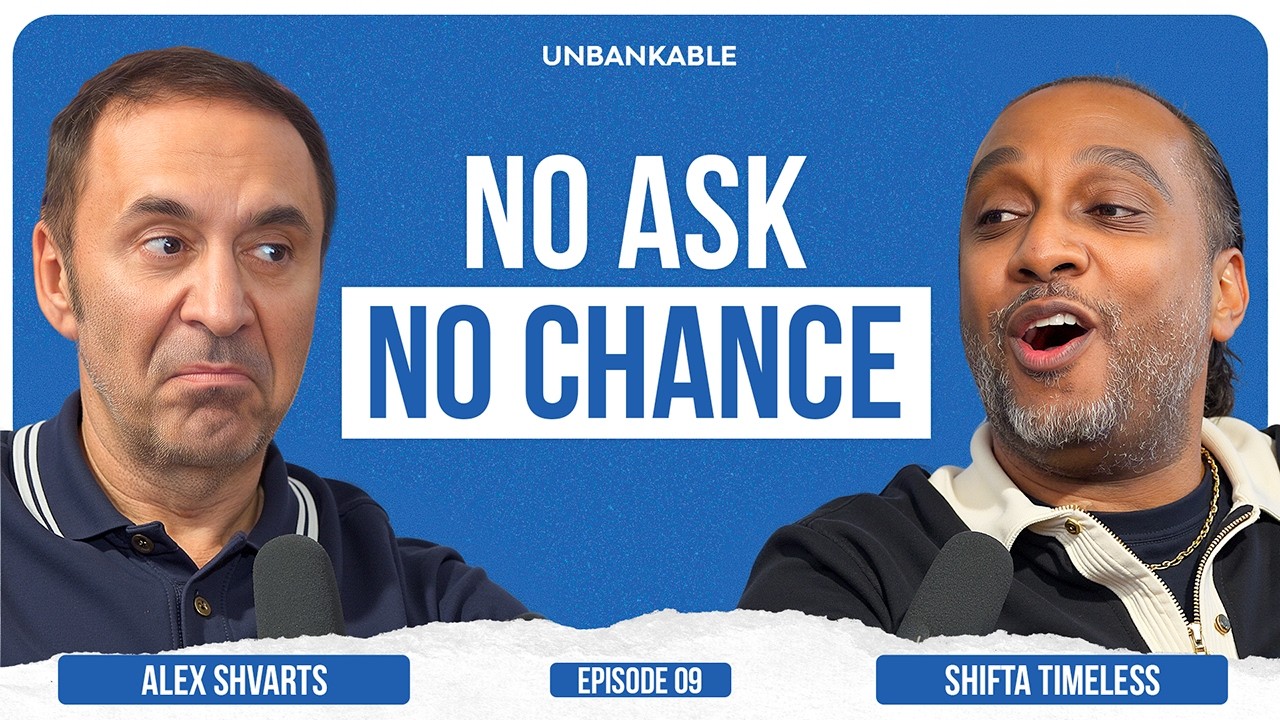
Before you grow, protect what you’ve built. Alex Shvarts and insurance expert Ryan Brawner break down the coverage mistakes that wipe out businesses, from liability to business-interruption insurance.
Welcome to Unbankable, the podcast for entrepreneurs who won’t take no for an answer. I’m Alex Shvarts. Today we talk about protection, smart insurance that serves your business instead of draining your cash flow, because you can’t build an empire if one lawsuit can destroy everything you’ve worked for.
My guest is Ryan Brawner, a hospitality insurance consultant at Plastridge Insurance, who protects restaurants, bars, breweries, hotels and entertainment venues, businesses traditional insurers often treat as high risk. Just as banks say no to funding, insurers often say no to proper coverage.
On hearing ‘no’: Ryan hears it daily, usually ‘it’s too expensive.’ His mindset, every no gets you closer to a yes, so you become numb to it. The biggest insurance mistake hospitality owners make is cutting corners and leading with a price they heard from a friend, instead of first understanding their real risk. The right process is to educate the owner on their exposures, then back-fill the coverage. As we both put it: you’re either selling a product people want or you’re ‘on sale,’ and insurance should never be bought on sale.
I shared my own lesson: years ago we trimmed insurance to save money, then an employee’s cigarette caused a fire and we took a loss without the right coverage. Insurance is as fundamental as paying rent. The checklist when opening a hospitality business starts with your lease requirements and any lender requirements, then your operational and general liability, which covers your everyday business risk and is your most frequent claim type, especially in a litigious state like Florida where even unwarranted claims get filed.
On the first 24 hours after a loss: mitigate further damage, document what caused it, and contact your broker or carrier right away (workers’ comp carriers in particular want injuries reported immediately). Don’t avoid reporting out of fear your rates rise, that’s what insurance is for. Ryan gives clients his cell number so he can guide them fast.
On how policies are priced: liability is typically tied to your revenue or sales volume so the carrier can size the risk, and most policies are audited annually, even more so since COVID disrupted sales. Liability is broad, covering things like an assault between patrons that spills into the parking lot, or claims that a bar over-served alcohol. Someone is always ‘at fault,’ and you can be accused even when you’re not, so liability protects you against frivolous suits, which are common and have driven up premiums.
On limits: Ryan recommends coverage that meets or exceeds your revenue, if you do $5M a year, carry at least that in liability. Landlords like an anchor tenant may require all tenants to carry $5-10M. Being under-insured risks personal exposure, which is also why owners form an LLC or corporation to separate business and personal assets.
On business interruption insurance: if your business is shut down, say by a hurricane, it reimburses lost net revenue or extra expenses so you can keep paying rent and employees. It’s typically not the most expensive coverage, though wind/hurricane exposure costs more in Florida.
On budgeting: as a rule of thumb for hospitality, plan for roughly 2 to 2.5% of sales toward insurance; costs climb once liquor crosses 30-50% of total sales. The difference between cheap and smart: cheap means cutting coverages to hit a price; smart means choosing coverage first and accepting that protection has a cost. Owners building an empire look at coverage first and know the cost will follow.
On dropping coverage to save money: it’s almost followed by bad luck. Ryan has seen a client drop their property policy and then have a fire, with nothing reimbursed, a loss often big enough to close the business. He has clients sign waivers when they decline coverage, because at claim time that conversation is always ‘lost in translation.’ Understand the impact before you cancel.
On choosing a broker: ask whether they have niche markets for your specific business (a high-liquor bar needs carriers that will write it), be transparent about what you do, and be ready to discuss financials and a proforma so they can match you with a carrier that grows with you. A broker shops multiple carriers for you, so you deal with one person instead of fielding many online quote calls; trust them and let them do the work.
On when to switch carriers: watch financial strength (rating agencies grade carriers A to D, shown on quotes and policies) and reviews of how they pay claims, do they pay quickly or fight everything? Ryan’s agency only places highly rated carriers, partly because lenders require a minimum financial-strength threshold.
On sales: Ryan wanted to be a stockbroker but graduated into the post-9/11 market and moved into insurance. His close rate is around 50% when he meets someone, mostly warm referrals now. His sales lessons: sometimes you shut up and let the customer talk; when they say a competitor is cheaper, ask ‘why do you think it’s cheaper?’, which makes them realize the cheaper option may have less coverage; and you know within minutes whether a deal will close, because they have to like you and you have to like them, he won’t sell where he isn’t wanted.
On the career: insurance isn’t seen as a sexy career and skews older, but it pays well and rewards work ethic, being a people person, and not fearing ‘no.’ Ryan values work-life balance but acknowledges you still have to sharpen your pencil, prospect, and stay involved in the community to grow.
His one piece of advice for hospitality owners: trust your business partners, including your insurance broker, be fully transparent about your business and exposures, and at least listen to the advice, even if you don’t buy every coverage. You can be ‘insurance poor’ by over-budgeting, so keep it near that 2-2.5% of revenue, but never sacrifice the coverage that keeps you in business. Insurance is key in every business, hospitality or not.