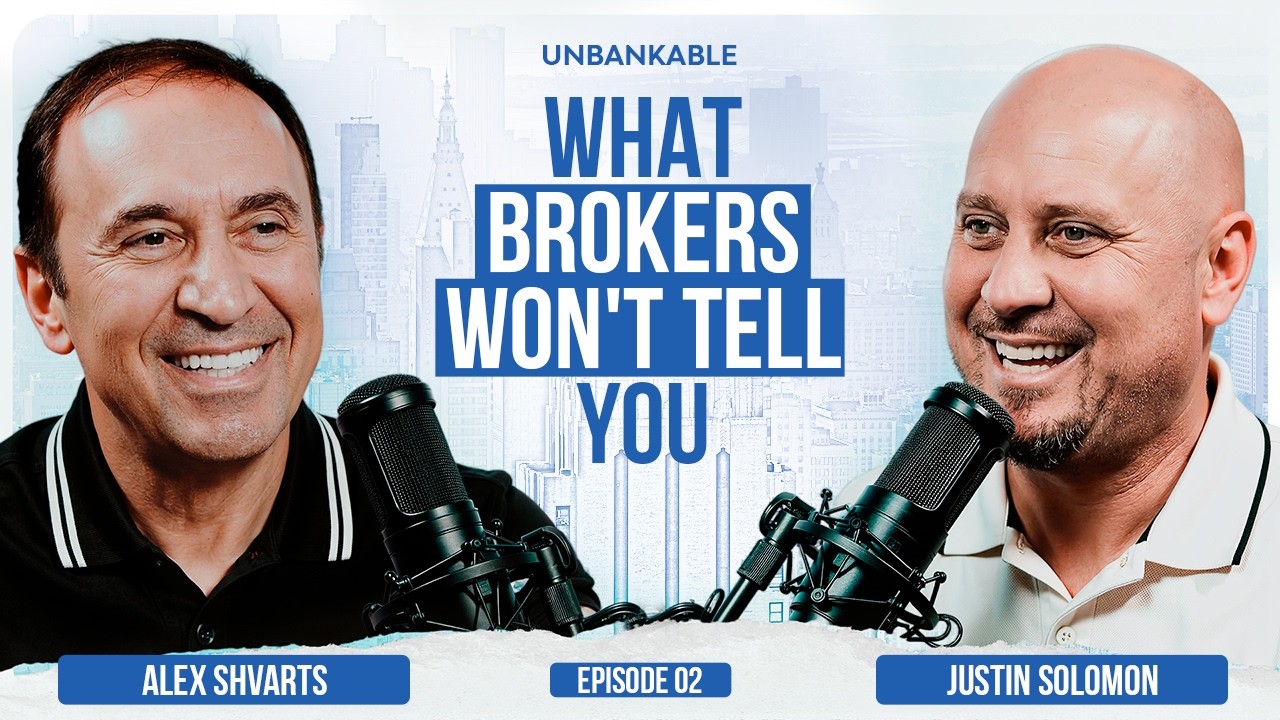
Alex Shvarts talks with Kevin Richardson, who scaled Splash Advance onto the Inc. 5000, about funding, sales, rejection and how to grow a company without breaking it.
Welcome back to Unbankable, the podcast about entrepreneurs who see no boundaries and won’t take no for an answer. I’m Alex Shvarts, CEO and founder of FundKite. My guest is Kevin Richardson, owner of Splash Advance, a revenue-based finance company he built into an Inc. 5000 company in just six years, known for an aggressive, relentless approach to getting business owners funded.
On the most uncomfortable conversations: on the back end, stalling a client at the finish line when a deal isn’t funded in time but they need the money for payroll or a job. On the front end, telling someone they won’t get the funds they’re looking for, or won’t get approved at all. Kevin manages it by following a negative with two positives and giving an honest approval range up front, explaining that approval rests on four or five factors (credit, revenue, balances, time in business), so an instant red flag like under six months in business is flagged early rather than breaking someone’s heart at the end.
For the audience, we clarified what revenue-based financing is: a funding company buys your future receivables for a lump sum today and collects based on your revenue, so repayments rise and fall with sales. There’s no fixed term or minimum payment, you repay faster when business is good and less during a slowdown.
On his unfair advantage against bigger, older competitors: relationships. Splash has strong funding-partner relationships and access to better offers, and they’re not afraid to lose a deal, no spending all day on a file with six other brokers on it. I added a warning for owners: in their hunger for capital, many apply to many brokers online at once, but only a handful of companies actually fund, so all that does is generate 20 noisy calls and make things worse.
On what drives Kevin: connections and relationships, his family and fiancée. His job in sales is to read and understand people and help them grow, which in turn helps him grow. We riffed that even when everyone offers the same product, what wins is the relationship and communication, the unique approach and the smile that brings customers back, because plenty of people offer the same thing but not everyone makes the customer happy.
On dealing with ‘no’: Kevin will rebut a few times, but if it’s still no he stays pleasant and won’t hound them or come off desperate; he steps away and leaves the door open (‘if anything changes, you have my number’). I added my philosophy: a no isn’t a rejection, often the person just doesn’t know yet or it isn’t a good fit. Smile and say thank you, that sticks with people far longer than getting confrontational, and I treat a no as a yes with caution.
We agreed you have to get used to no in business, in cold calling, online sales, or any customer-facing role, the rejections make you stronger, and over time the nos slowly turn into yeses unless you’re selling something nobody wants.
On flipping the switch on a bad day before an important call: Kevin walks a quick lap around the building, puts on a song, then comes back, shuts the door, gets into his zone, and opens with questions, listening to learn what the client needs. I shared the advice that helped me when I worked from home: create separation, walk around the block to ‘arrive’ at the office and again to ‘leave,’ because breaking the mood matters.
On what he wishes he’d known in 2019: the ebbs and flows of sales and the market. Splash launched right before COVID, was projecting up and up, then flatlined for six to nine months. You can’t pre-warn yourself for something like that, the market is a roller coaster you have to experience.
On staffing (the ‘S plan’): early on they recruited off job sites and brought people off the street, but learned to prefer the person who works hard and shows up on time over the one who’s brilliant but lazy. Their best hires now come from referrals. My mantra: pace your hires and accelerate your fires, because time is a luxury you don’t have, if someone isn’t a fit, cut ties as soon as possible.
On firing: Splash tries not to, and will move a struggling person under someone’s wing or into another role first; the one thing they move fast on is poor work ethic (or theft), not showing up, not wanting to be there. Both Kevin and I admitted we give too many second and third chances, and the lesson from successful entrepreneurs is that you can’t afford to. On handling employees who frustrate you, the key is setting boundaries so people stay accountable rather than pushing every decision up to the boss, who’s already juggling a thousand things.
On scaling (the hardest part of ownership): you can hit good numbers for years and still not want to feel stagnant, so Kevin looks at marketing spend and, crucially, being willing to take risks and fail. As I put it, success is built on many failures; I wasn’t born so lucky that my first idea hit, so I had to do it the hard way, learning from mistakes until it works.
On how Splash actually grew: supply and demand. Marketing came first, once leads were coming in, they needed people in the seats to handle them, so it went from two guys to hiring and training sales reps, then giving the strongest reps admins, and so on. For almost any business, marketing is number one, knowing where your business comes from, then you reel in the sales team. Kevin knew within about three months that they had something real, because they had the experience, relationships, and product knowledge to build on.
On regrets and habits: Kevin’s biggest regretted expenses were staffing (wrong sales managers) and CRM/data tools. I said I don’t really carry regrets, just learning experiences, since you can’t change the past. The habit Kevin had to break once the business grew was poor sleep, he’s a night owl who’d run on too little rest until he crashed, so he now protects better sleep habits.
On choosing a funding broker (the ‘F plan’): the number-one factor is trust, plus a likability factor, because there are many brokers and you can’t always tell their agenda or whether they’ll put you on a bad deal. Kevin’s differentiator is that he won’t just tell customers what they want to hear; he’ll deliver honest, even unwelcome, advice so he can go home knowing he recommended the best plan, and if a client walks based on the truth, it wasn’t a good fit. First earn trust, then get them the best product.
We closed on the entrepreneur’s reality: this is a choice nobody forced on you, and the ultimate sacrifice is your time and life, you’ll pour yourself into the business and risk neglecting family during the hard stretches. Balance comes from protecting real downtime to refocus (I bike, play racquetball, listen to vinyl) so you can come home present for the people who matter. As a business owner you don’t get to call in ‘today I’m not showing up’, but if you find that balance, eventually the work pays off.